
A healthy diet includes a variety of fruits, vegetables, whole grains, lean proteins, and healthy fats. It also limits processed foods, sugary drinks, and unhealthy fats.
Healthy weight gain is gaining weight gradually by eating more calories than you burn. You can aim to gain 1–2 pounds per week
Eating whole foods, planning meals, and reducing processed foods. Other strategies include managing emotional eating, choosing healthy fats, and increasing fiber.
A state of well-being that’s achieved by having a variety of healthy lifestyle habits. This includes eating well, exercising, and getting enough sleep.
Eating well, staying active, and avoiding alcohol and drugs. Eat a balanced diet with foods rich in protein, iron, calcium, folate, vitamins B12 and D, and fiber Avoid processed foods and limit high-fat and sugary foods and drinks, Drink plenty of fluids, especially water.
A child’s nutrition should include protein, grains, vegetables, healthy fats, calcium, carbohydrates, and fiber.
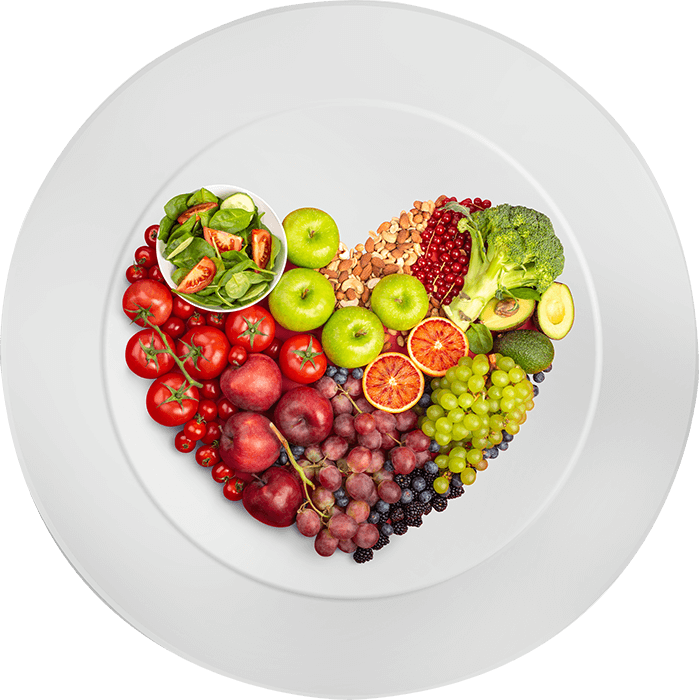
Yes, healthy eating habits significantly promote life by lowering the risk of chronic diseases like heart disease, diabetes, and certain cancers, contributing to a longer lifespan and improved overall health and well-being; a diet rich in fruits, vegetables, whole grains, and lean protein supports various bodily functions and helps maintain a healthy weight.
Covers a wide range of questions asked about the nutritional value of food and also daily diet chart.
Good sources of protein for vegetarians include lentils, quinoa, tofu, chia seeds, chickpeas, nuts, and oats
To choose healthy fats and limit unhealthy fats, focus on consuming unsaturated fats like those found in avocados, nuts, seeds, and olive oil, while limiting saturated fats from fatty meats and full-fat dairy, and strictly avoiding trans fats often found in processed foods; always check food labels to identify these fats and make informed choices.
A balanced diet includes the following key components:
Carbohydrates, Fats, Proteins, Minerals, Fiber, Water
Other components of a balanced diet include:
Healthy snacks include fruits, salads, roasted Fox Nuts, nuts, seeds, whole grains, and lean proteins.
© 2023 EatWellnRight Template • All Rights Reserved